Crucial Points to Match Your Staircase to Modern Design Trends
Your staircase is more than just a pathway between floors—it’s an opportunity to make a bold design statement in your home. Have you ever wondered...
When planning a home upgrade, one of the most overlooked — yet visually impactful — elements is the staircase. Many homeowners assume stair renovations are straightforward, only to realize that costs can vary dramatically depending on materials, design, and the level of customization involved. Two staircases may look similar at first glance, but the difference in pricing can be significant once you factor in details like matching flooring, railing styles, and finishing quality.
In Canada, custom staircase costs can range from a few thousand dollars to well over five figures, leaving many homeowners unsure of what to expect or how to budget properly. Should you upgrade just the railings, replace the treads, or invest in a fully custom staircase? And what role do elements like stair nosing, flush mount vent covers, and precise color matching play in the final price?
This guide breaks down everything you need to know about custom staircase costs in Canada — from materials and design choices to hidden factors that can impact your budget. Whether you’re planning a full renovation or a simple upgrade, understanding these cost drivers will help you make informed decisions and achieve a seamless, high-end result that truly complements your space.
One of the first questions homeowners ask is simple: how much should I expect to pay for a custom staircase in Canada? The answer depends on the scope of your project, but understanding general price ranges can help you set a realistic budget from the start.
For a basic stair upgrade, such as replacing existing stair treads or refinishing surfaces, costs typically range from $1,500 to $3,000. This option is ideal for homeowners looking to refresh the look of their stairs without making major structural changes.
A more customized stair project, which includes new stair treads, updated stair nosing, and improved finishing details, usually falls between $3,000 and $7,000. This is where many homeowners begin to see a noticeable difference in both appearance and quality, especially when materials are selected to match the surrounding flooring.
For a full staircase renovation or rebuild, costs can range from $7,000 to $20,000 or more, depending on the complexity of the design. Factors such as curved layouts, custom railings, glass panels, and premium materials can significantly increase the final price. Larger staircases or multi-level designs will also require more labor and materials, further impacting the budget.
It’s also important to consider smaller elements that contribute to the overall cost. Features like flush mount vent covers, custom trims, and precise color matching may seem minor, but they play a major role in achieving a clean, seamless finish.
Ultimately, the cost of a custom staircase is not just about the structure itself — it’s about the level of detail, customization, and craftsmanship involved. Investing in the right materials and design choices can make a significant difference in both the final look and the long-term value of your home.
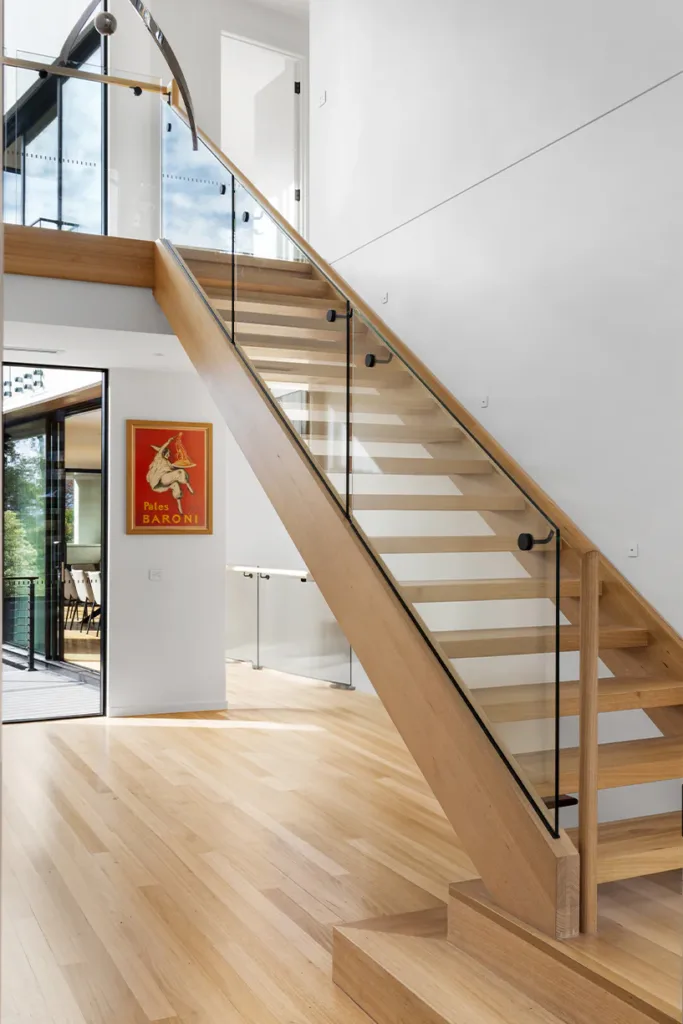
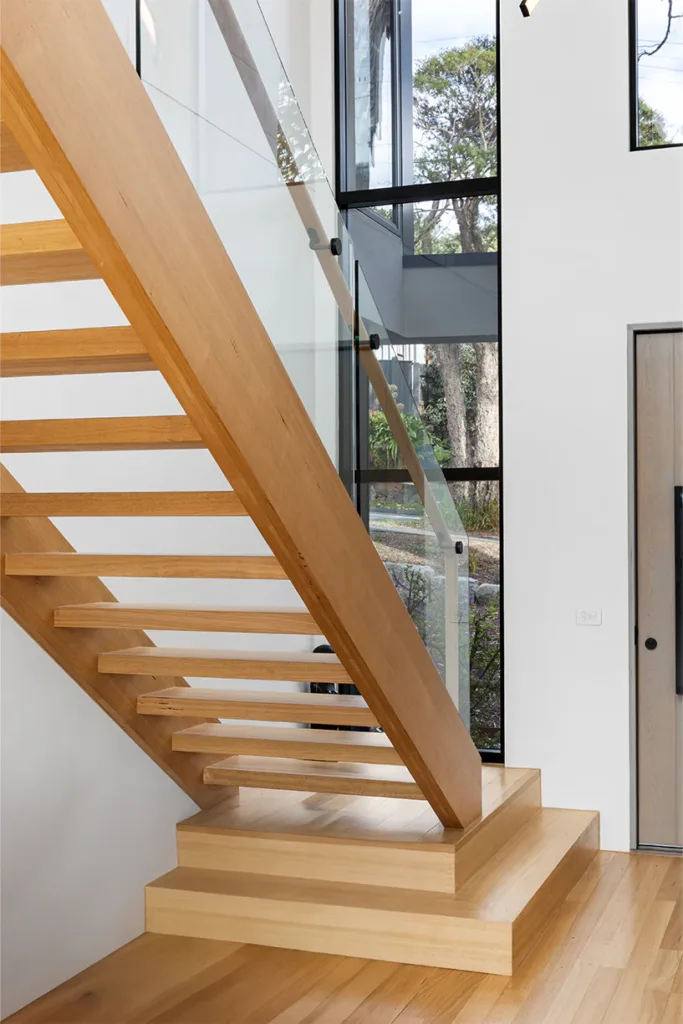
When it comes to custom staircases, especially in higher-end homes, solid wood is the gold standard. Unlike mass-produced or surface-applied materials, solid wood stair components offer unmatched durability, structural integrity, and a premium, timeless appearance. However, not all wood species are equal — and the choice you make can significantly impact both material cost and labor complexity.
Some of the most commonly used hardwoods for custom staircases in Canada include red oak, white oak, maple, hickory, and walnut. Each of these materials comes with its own price point, workability, and finishing characteristics.
Red oak is one of the most widely used options due to its balance between affordability and performance. It is relatively easy to cut, shape, and install, which helps keep labor costs more manageable. For this reason, red oak is often considered a practical choice for homeowners who want a solid wood staircase without entering premium pricing territory.
White oak, on the other hand, is denser and more refined in appearance, with a tighter grain and more modern tone. While it offers superior durability and a higher-end aesthetic, it is also harder than red oak, which increases both material cost and labor time. Cutting and finishing white oak requires more precision, making installation slightly more expensive.
Maple is another popular option, known for its smooth, clean grain and contemporary look. However, its hardness makes it more difficult to work with. It requires sharper tools and more careful handling during installation, which can increase labor costs. Additionally, maple can be more sensitive to staining, requiring extra finishing work to achieve the desired color.
Hickory is one of the hardest domestic hardwoods available, making it extremely durable but also one of the most challenging materials to work with. Its density and natural variation in color can make cutting, sanding, and finishing more time-consuming. As a result, both material waste and labor costs tend to be higher with hickory, even though the final product is exceptionally strong and visually striking.
At the higher end of the spectrum, walnut is considered a premium material. It is softer than some other hardwoods, which can make it easier to work with, but its cost per square foot is significantly higher. Walnut is typically chosen for its rich, dark color and luxury appeal rather than cost efficiency.
Beyond the raw material price, it’s important to understand that labor plays a major role in the total cost of a solid wood staircase. Harder and denser woods require more time for cutting, shaping, sanding, and finishing. Complex grain patterns or color variations may also demand additional craftsmanship to ensure a consistent and polished result.
Another critical factor is customization. When stair treads, nosing, and other components are built from solid wood to match flooring or design preferences, the level of precision required increases. Unlike standard, pre-made parts, custom woodwork involves detailed measurements, specialized fabrication, and careful installation — all of which contribute to the final price.
Ultimately, choosing a solid wood staircase is not just about selecting a material — it’s about investing in craftsmanship. While some species may come with higher upfront costs, they also offer long-term durability, a refined appearance, and a level of quality that standard solutions simply cannot match.
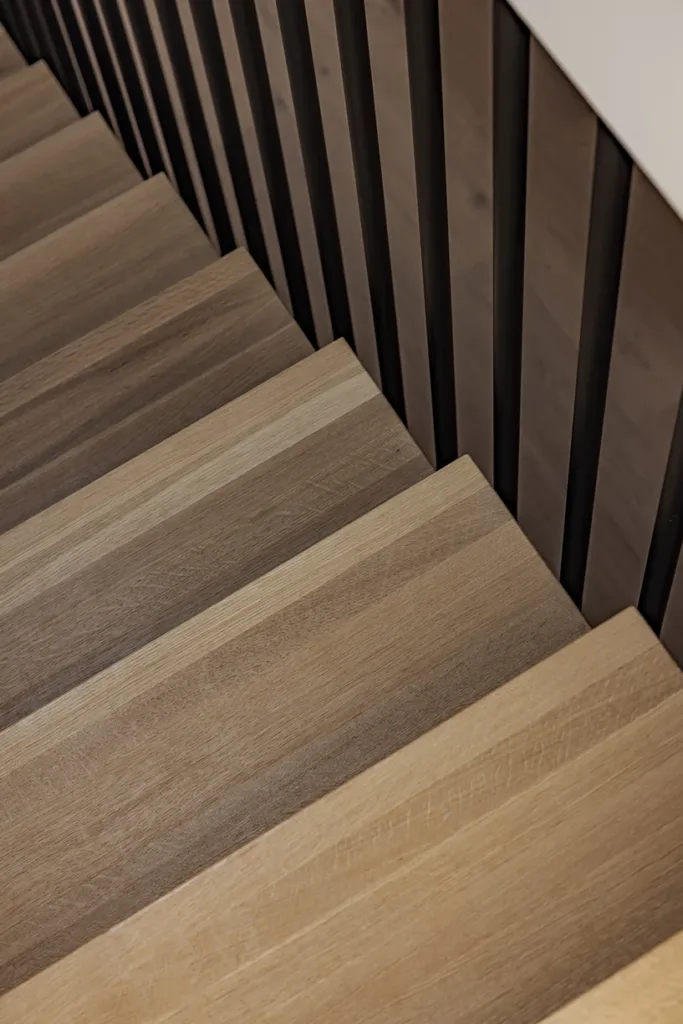
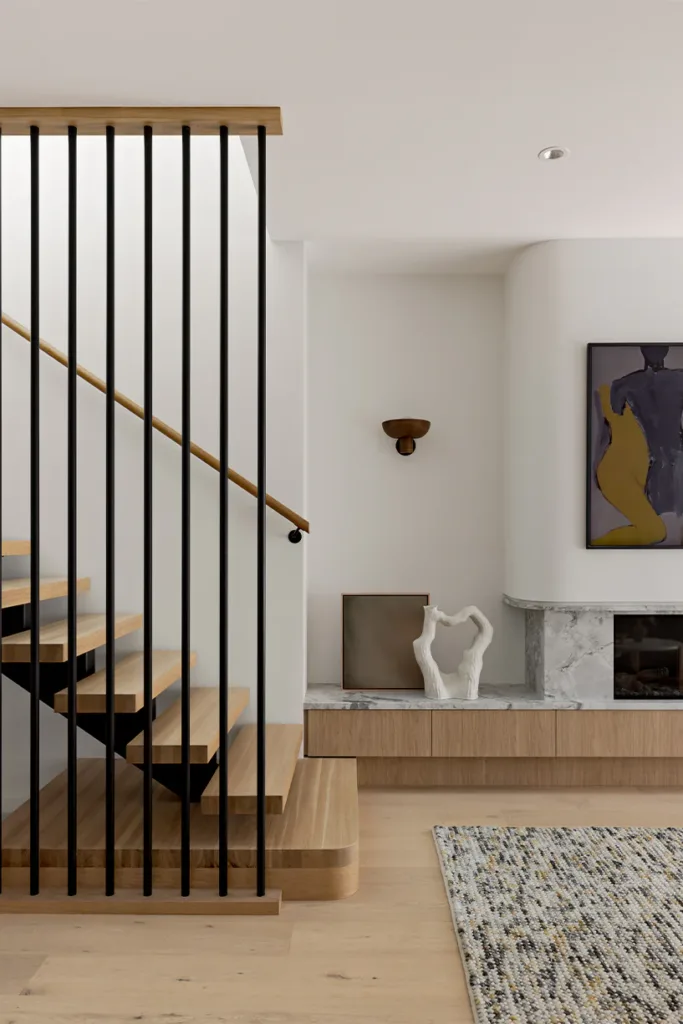
Beyond materials, the design and layout of your staircase play a major role in determining the final cost. Even when using the same wood species, two staircases can vary significantly in price depending on their structure, shape, and level of detail.
The most cost-effective option is a straight staircase. Its simple, linear design makes it easier to measure, fabricate, and install. Because there are fewer structural challenges and less cutting involved, both labor time and material waste are minimized.
As soon as you move beyond a straight layout, costs begin to increase. L-shaped or U-shaped staircases, which include landings and turns, require more precise planning and additional materials. Each transition point adds complexity, increasing both fabrication time and installation effort.
More advanced designs, such as curved or spiral staircases, fall into a completely different category. These staircases require highly skilled craftsmanship, custom bending or shaping of materials, and detailed measurements to ensure proper alignment and safety. The margin for error is much smaller, which means more time is spent on both production and installation — significantly increasing the overall cost.
Another major design factor is the choice between closed riser and open riser (floating) stairs. Closed riser stairs are more traditional and generally more straightforward to build. Open riser stairs, on the other hand, create a modern, minimalist look but require additional structural support and precision engineering. This often results in higher material and labor costs.
Details such as stair width, overhang (nosing) style, and edge finishing also contribute to the final price. Wider stairs require more material per step, while custom nosing profiles or seamless edge designs demand extra fabrication work.
It’s also important to consider how the staircase integrates with the rest of the home. A design that is fully customized to match flooring, railings, and surrounding finishes requires careful coordination and attention to detail. While this increases upfront costs, it results in a cohesive, high-end appearance that standard designs often fail to achieve.
In the end, staircase design is not just about functionality — it’s about visual impact and craftsmanship. The more intricate and customized the design, the more time, skill, and precision are required to bring it to life.
One of the biggest differences between a standard staircase and a truly custom one comes down to the level of customization and finishing details. While basic stair components may serve a functional purpose, it’s the custom elements that define the overall look, feel, and quality of the space — and naturally, these details have a direct impact on cost.
At the core of customization are custom stair treads and stair nosing. Instead of using pre-made pieces that may not perfectly align with your flooring, custom solutions are fabricated to match your exact material, color, and dimensions. This ensures a seamless transition from floor to stair, eliminating the common issue of mismatched tones or visible joints. However, achieving this level of precision requires additional cutting, shaping, and finishing, which increases both material usage and labor time.
Another important element is edge detailing and finishing. Small details such as the profile of the stair nosing, the smoothness of edges, and the consistency of stain or finish can dramatically change the final appearance. High-quality finishing involves multiple steps — sanding, staining, sealing — each requiring time and expertise to achieve a uniform, durable result.
Flush mount vent covers are another detail that is often overlooked but plays a major role in the overall aesthetic. Standard metal vents can disrupt the visual flow of a space, especially when paired with high-end flooring. Custom flush vents, built using the same flooring material, create a clean and continuous surface. While they may seem like a small upgrade, they contribute significantly to a polished, cohesive design.
Customization also extends to color matching and material continuity. Ensuring that stair components match existing flooring is not always straightforward, especially with natural wood variations or different product batches. Achieving a consistent look may require custom staining, careful material selection, or even fabrication adjustments — all of which add to the overall cost.
Ultimately, these finishing details are what separate an average staircase from a high-end one. While customization increases the upfront investment, it eliminates visual inconsistencies and creates a refined, cohesive result that enhances the entire space.
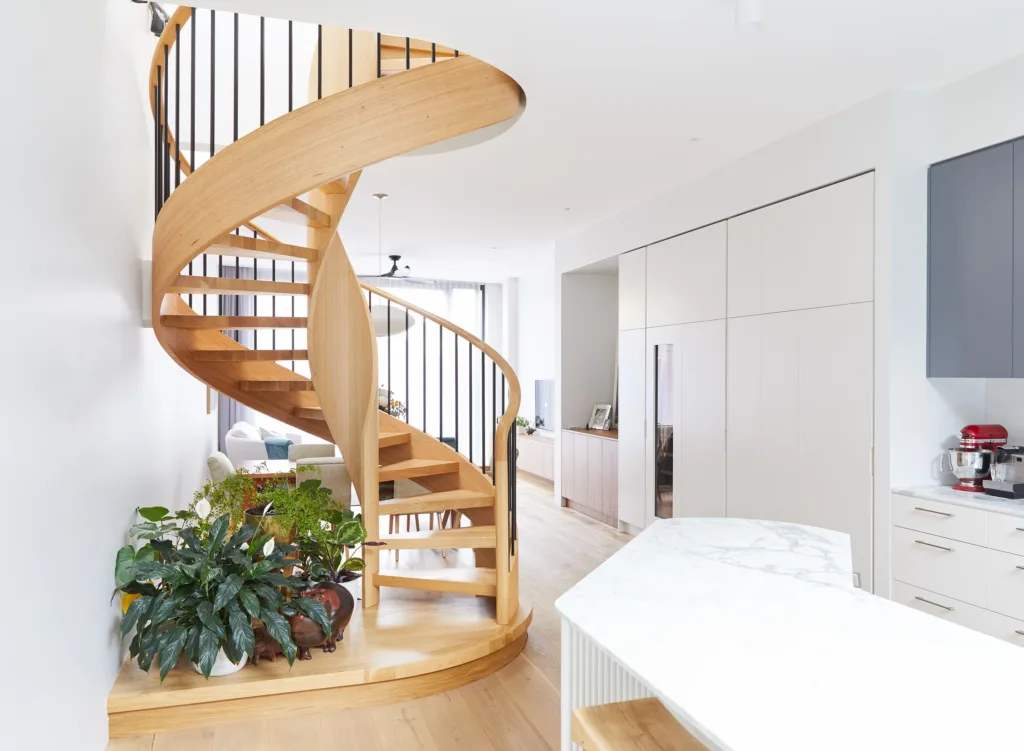
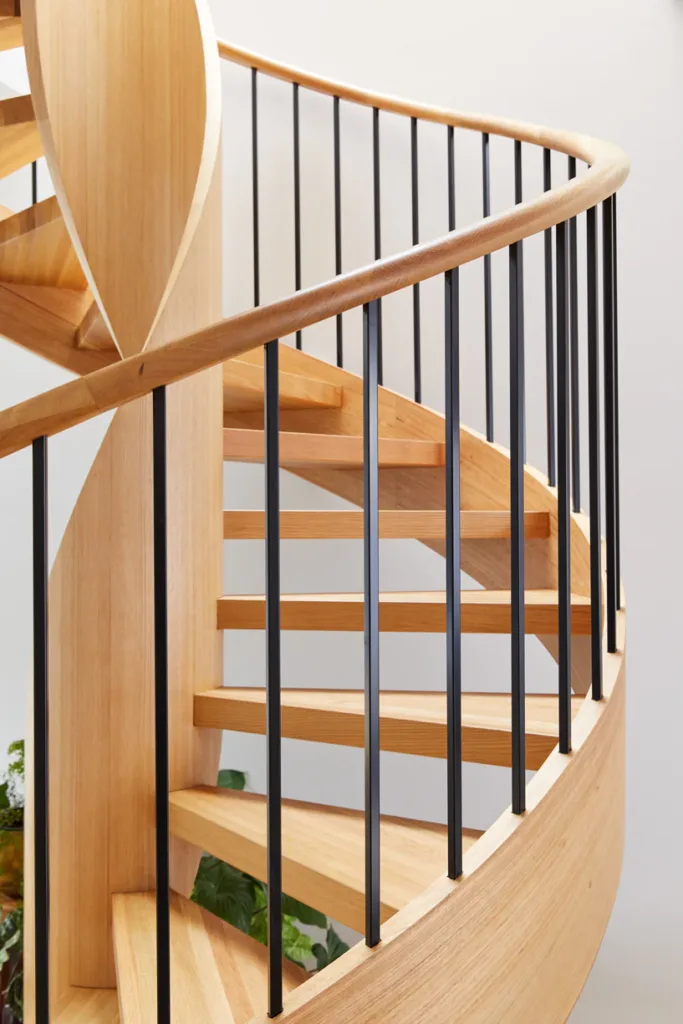
Another major factor that influences the cost of a custom staircase is its size and overall structure. While materials and design play a big role, the physical dimensions of the staircase directly affect how much material is needed and how much labor is required.
One of the most obvious elements is the number of steps. More steps mean more stair treads, more nosing, and more finishing work. Even a small increase in the number of steps can add noticeable cost when using high-quality materials like solid wood.
The width of the staircase is another key factor. Wider stairs require larger treads and more material per step, which increases both material cost and fabrication time. In custom projects, wider staircases often demand additional structural support and precise installation to maintain stability and alignment.
Staircases with landings, turns, or multiple levels also introduce additional complexity. Each landing requires extra material, detailed measurements, and more intricate installation. Transitions between levels or directions must be carefully planned to ensure consistency in height, spacing, and finish — all of which contribute to increased labor time.
Structural conditions can also affect cost. For example, if the existing staircase requires repairs, adjustments, or reinforcement, this adds another layer of work before the new materials can even be installed. In some cases, uneven substructures or outdated framing may need to be corrected to achieve a proper fit and finish.
It’s also important to consider how the staircase connects with the surrounding space. Aligning the stairs with flooring, walls, and railings requires precision, especially in custom projects where everything is designed to match seamlessly.
In the end, larger and more complex staircases naturally require more resources — both in materials and labor. Understanding how size and structure impact cost helps homeowners set realistic expectations and avoid surprises during the renovation process.
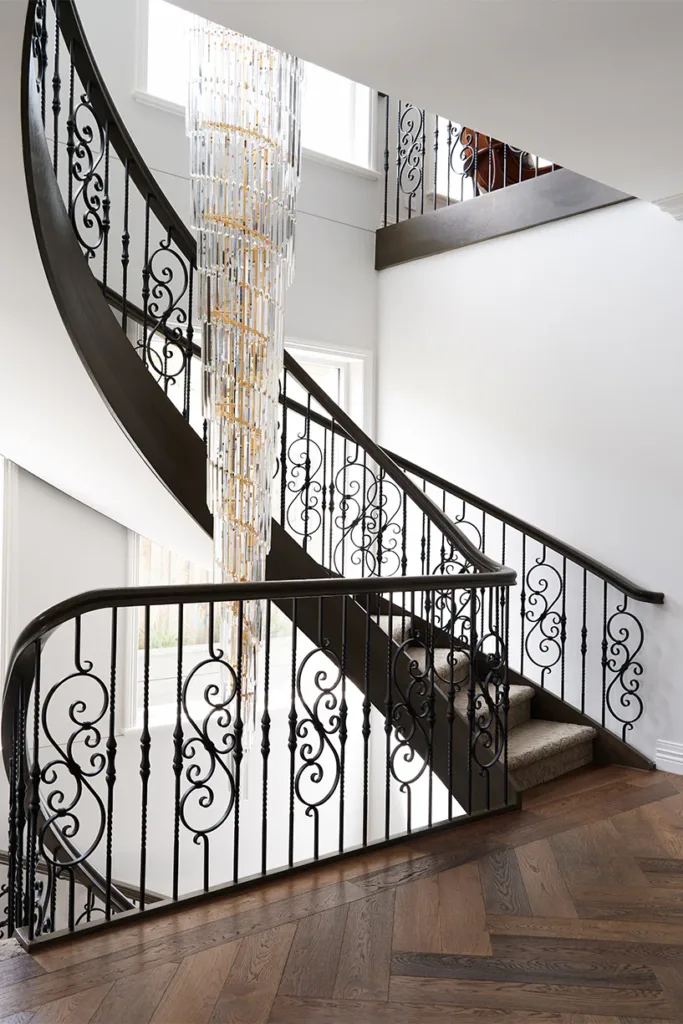
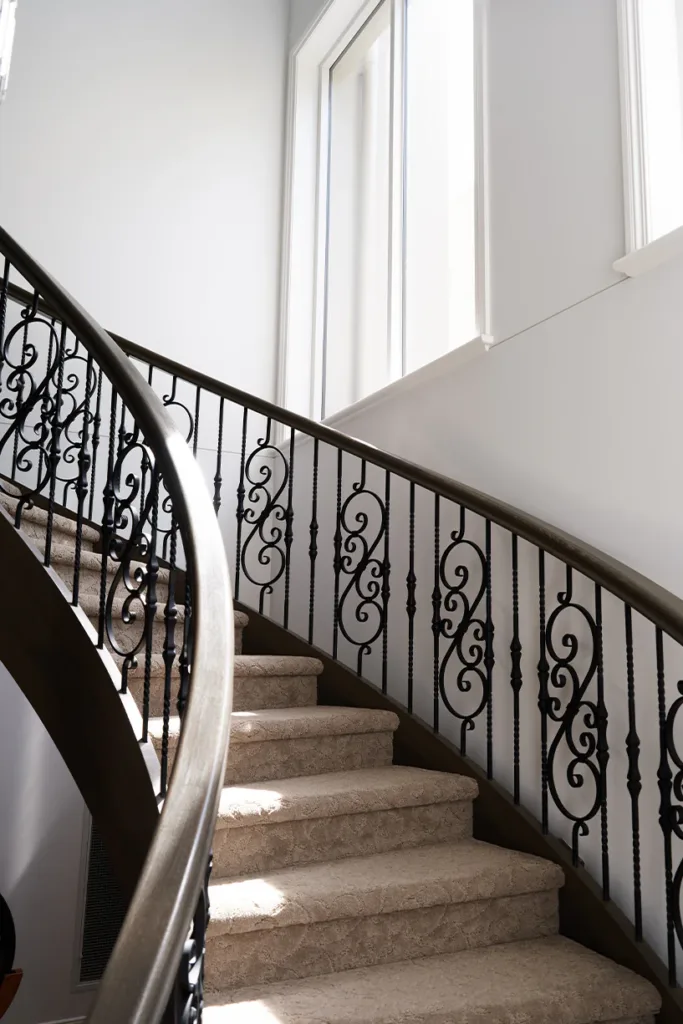
When budgeting for a staircase project, many homeowners focus primarily on the steps themselves, but railings and balusters can make up a significant portion of the total cost. In fact, depending on the design, railing systems can sometimes be just as expensive as the stair treads.
There are several options when it comes to railings, each with different price points and levels of complexity. Wood railings are a more traditional and cost-effective choice, especially when paired with matching wood balusters. They are relatively straightforward to fabricate and install, which helps keep labor costs lower.
For a more modern look, many homeowners opt for metal balusters or mixed-material designs. While these options elevate the appearance, they also require more precise installation and often involve higher material costs. The spacing, alignment, and finishing of metal components demand additional attention to detail, which increases labor time.
At the higher end, glass railing systems have become increasingly popular for their clean, open aesthetic. However, they come with a premium price due to both the cost of the materials and the complexity of installation. Glass panels require specialized hardware, precise measurements, and careful handling, making them one of the more expensive railing options.
Another important consideration is whether you are planning a partial upgrade or a full staircase renovation. Some homeowners choose to update only the railings while keeping the existing stair structure. This can be a more budget-friendly option and still create a noticeable visual improvement, especially if the existing stairs are in good condition.
On the other hand, a full staircase upgrade — including new treads, nosing, railings, and finishing — provides a completely cohesive and modern look. While this option requires a higher upfront investment, it ensures that all elements match in style, material, and finish, eliminating inconsistencies that often occur with partial renovations.
It’s also worth noting that mixing old and new components can sometimes create design challenges. Differences in color, wear, or proportions may become more noticeable, especially in open or highly visible areas of the home.
Ultimately, railings and the scope of your renovation play a major role in the final cost. Whether you choose a simple update or a complete transformation, understanding these options will help you balance your budget with the look you want to achieve.
While materials and design often get the most attention, installation and labor costs can make up a significant portion of your total staircase budget. In many cases, the difference between a smooth, high-quality result and a costly mistake comes down to the level of expertise involved in the installation process.
Custom staircases are not simple, plug-and-play projects. Each step must be precisely measured, cut, and installed to ensure proper alignment, safety, and long-term durability. When working with solid wood or custom-fabricated components, even small inaccuracies can lead to visible gaps, uneven steps, or structural issues. Correcting these mistakes often requires additional labor, material replacement, and delays — all of which increase the overall cost.
Another major factor is the removal of existing stairs or components. Demolition, disposal, and preparation of the substructure can add to the project cost, especially if the existing staircase is outdated or damaged. In some cases, underlying issues such as uneven framing or worn supports must be repaired before new materials can be installed properly.
There are also several hidden costs that homeowners don’t always anticipate. One of the most common is dealing with mismatched materials. Using standard, off-the-shelf stair parts with flooring that doesn’t perfectly match can result in a disjointed appearance. Fixing this later — whether through replacement or refinishing — can be more expensive than investing in a proper custom solution from the beginning.
Another overlooked factor is material waste and rework. Poor planning or inaccurate measurements can lead to wasted materials, especially when working with premium hardwoods. Additionally, rushing the installation process or choosing inexperienced installers can result in imperfections that require costly adjustments.
Finishing is another area where hidden costs can arise. Achieving a consistent stain, smooth surface, and durable seal requires time and skill. Skipping steps or cutting corners during finishing may reduce initial costs but can lead to faster wear, discoloration, or the need for refinishing sooner than expected.
Ultimately, installation is where everything comes together — or falls apart. Investing in experienced professionals and properly planned custom solutions helps avoid unexpected expenses, ensures a high-quality finish, and protects your investment in the long run.
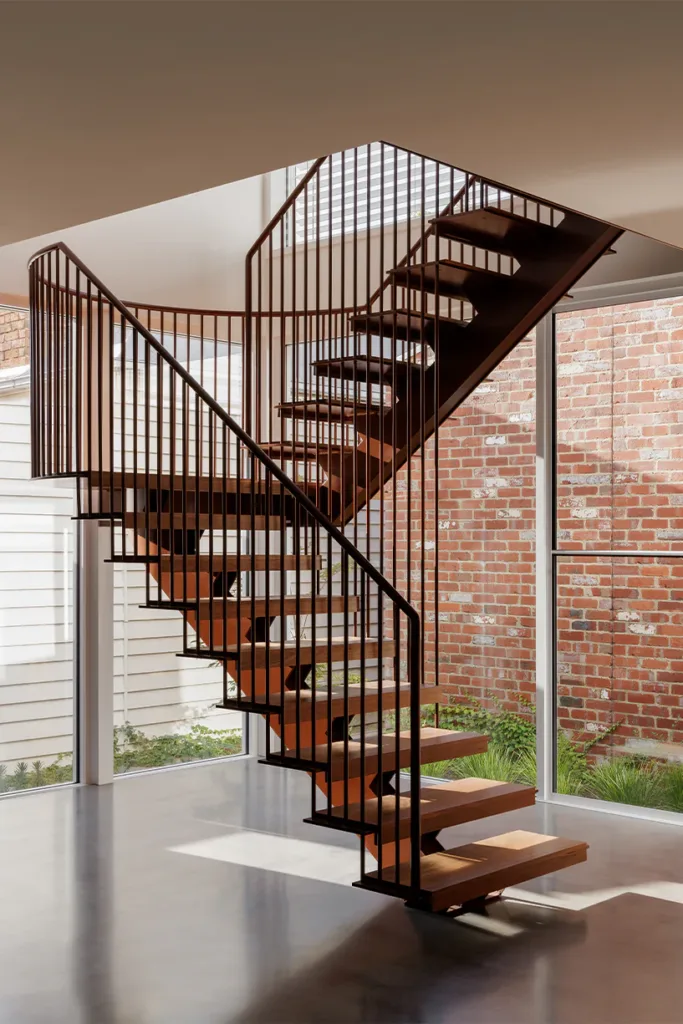
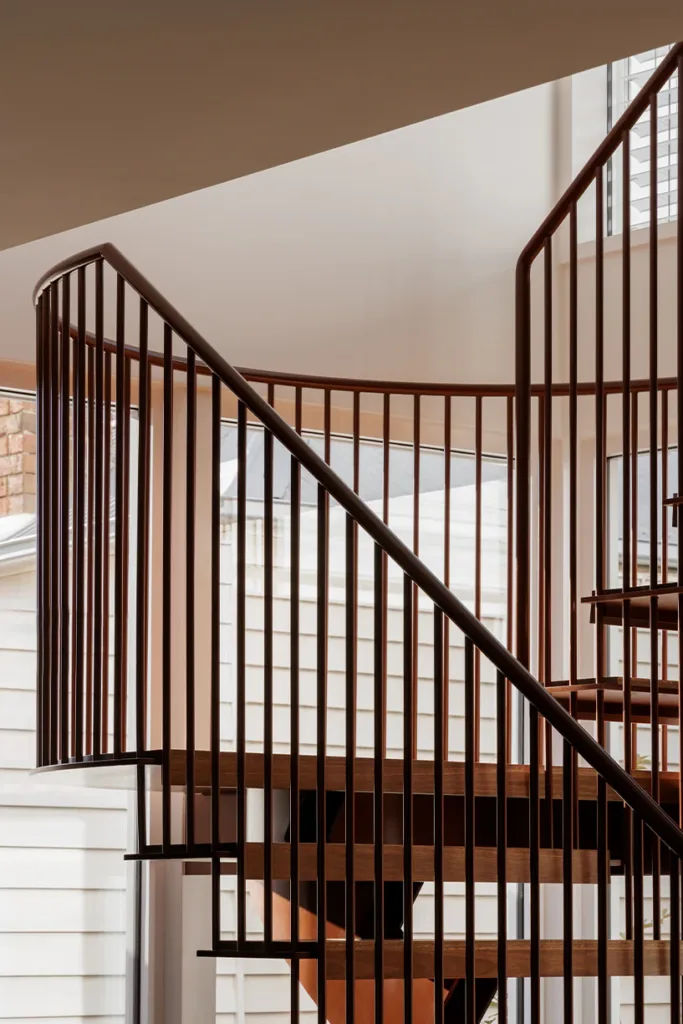
At the end of the day, a staircase is more than just a functional part of your home — it’s a central design feature that can completely transform the look and feel of your space. While the cost of a custom staircase in Canada can vary based on materials, design, size, and level of customization, one thing remains clear: quality and craftsmanship make a lasting difference.
Choosing a custom solution allows you to achieve something that standard options simply cannot — a staircase that is perfectly matched to your flooring, tailored to your space, and built with long-term durability in mind. From solid wood material selection to detailed finishing and seamless integration, every element contributes to a more refined and cohesive result.
Although custom staircases may require a higher upfront investment, they often save homeowners from future repairs, mismatched designs, and costly adjustments. More importantly, they add real value to your home — both visually and financially.
Whether you’re planning a full staircase renovation or a targeted upgrade, understanding the factors that affect pricing helps you make smarter, more confident decisions. And when done right, a custom staircase isn’t just an expense — it’s an investment in the overall quality and appeal of your home.
If you’re looking to create a staircase that truly matches your flooring and elevates your space, working with a custom solution is the best place to start.
 14Nov
14Nov 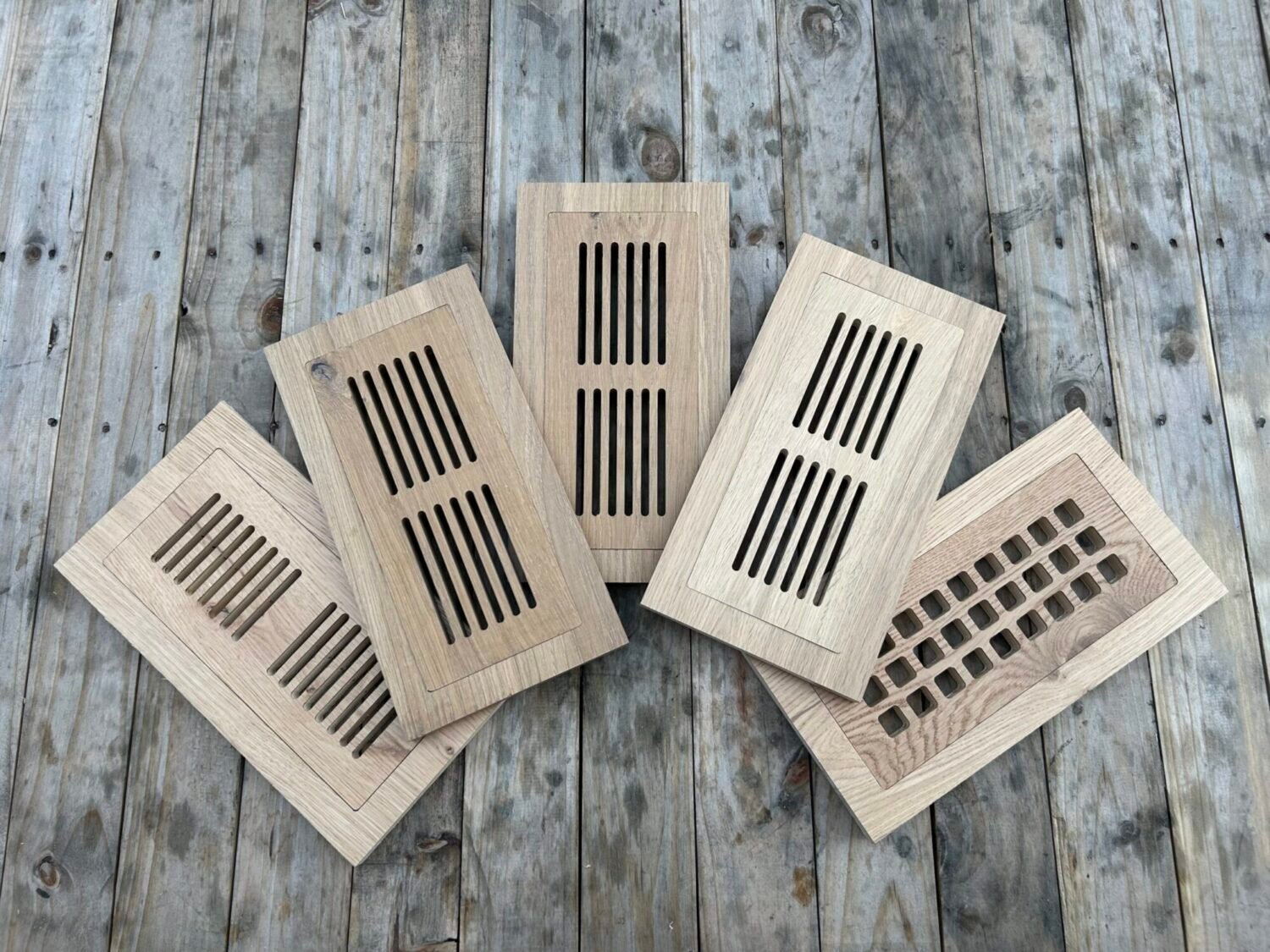 21Nov
21Nov  by
by
Comments are closed